Table Six Homework
He did his sums under my good lamp for two winters. I never asked who was supposed to be watching him.
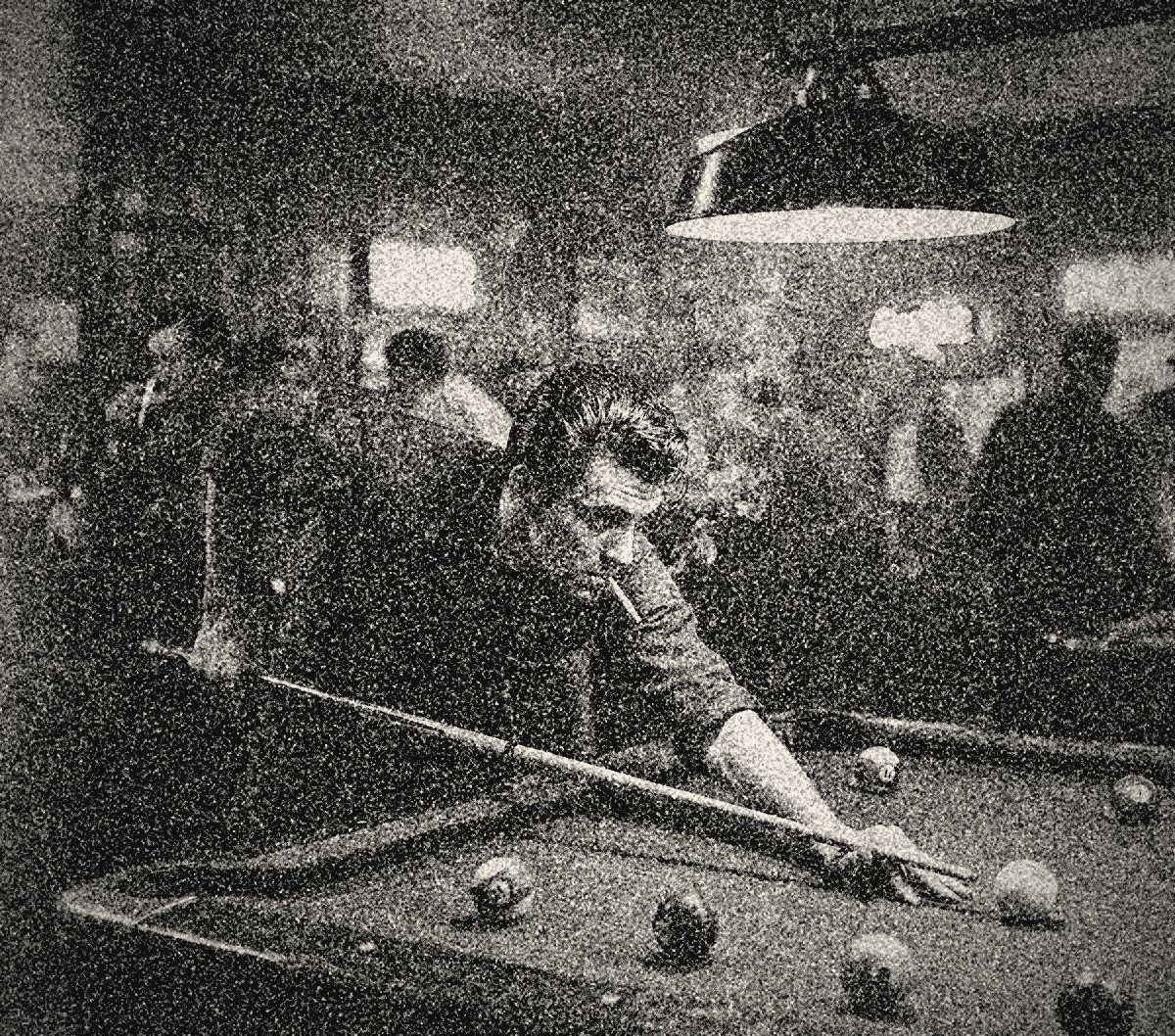
A boy named Teddy did his homework at table six every Thursday for two winters, under the green lamp I kept for the league. He was nine, then ten, with a cowlick and a pencil chewed down to the paint. His father played in the back room, where the stakes were higher than the lighting.
I brought Teddy root beer and checked his long division, which I was bad at, and he was kind enough not to say so. Around nine he would pack his bag without being told and sit by the door with his coat on. He never complained. That was what bothered me.
One night his father came out near eleven, lighter by a good deal, and said, "Ready, champ?" as cheerful as a man leaving church. Teddy said, "Sure, Dad." Not a flicker. A boy that age should be sore, or sleepy, or loud. He was patient, the way a man gets patient waiting on a bus that quit running.
I knew that patience. My own girl, Rosemary, stopped saving me a seat at her recitals around the age of eight. She did not stop because she loved me less. She stopped because an empty seat hurts more than no seat. It took me years to understand she had been protecting herself from me.
That is the lesson a father gets last. Children do not argue with the gambling. They adjust to it. They shrink their asking down to nothing, and the quiet looks like peace.
I said something to Teddy's father that night, as gently as I know how. He did not thank me. But the next Thursday the lamp over table six stayed off, and I have never been so glad to pay for a bulb nobody used.
If the people who love you have stopped asking, that is not peace. The National Problem Gambling Helpline is 1-800-MY-RESET.
Go back to the empty seat.
Sal
Children of a parent who gambles rarely protest. They quietly stop asking for attention, and that silence is a sign of harm, not peace. Noticing it early gives a parent the chance to change course.