The Second Trip to the Cash Machine
He said he was only going back for what was his. By then it was never his anymore.
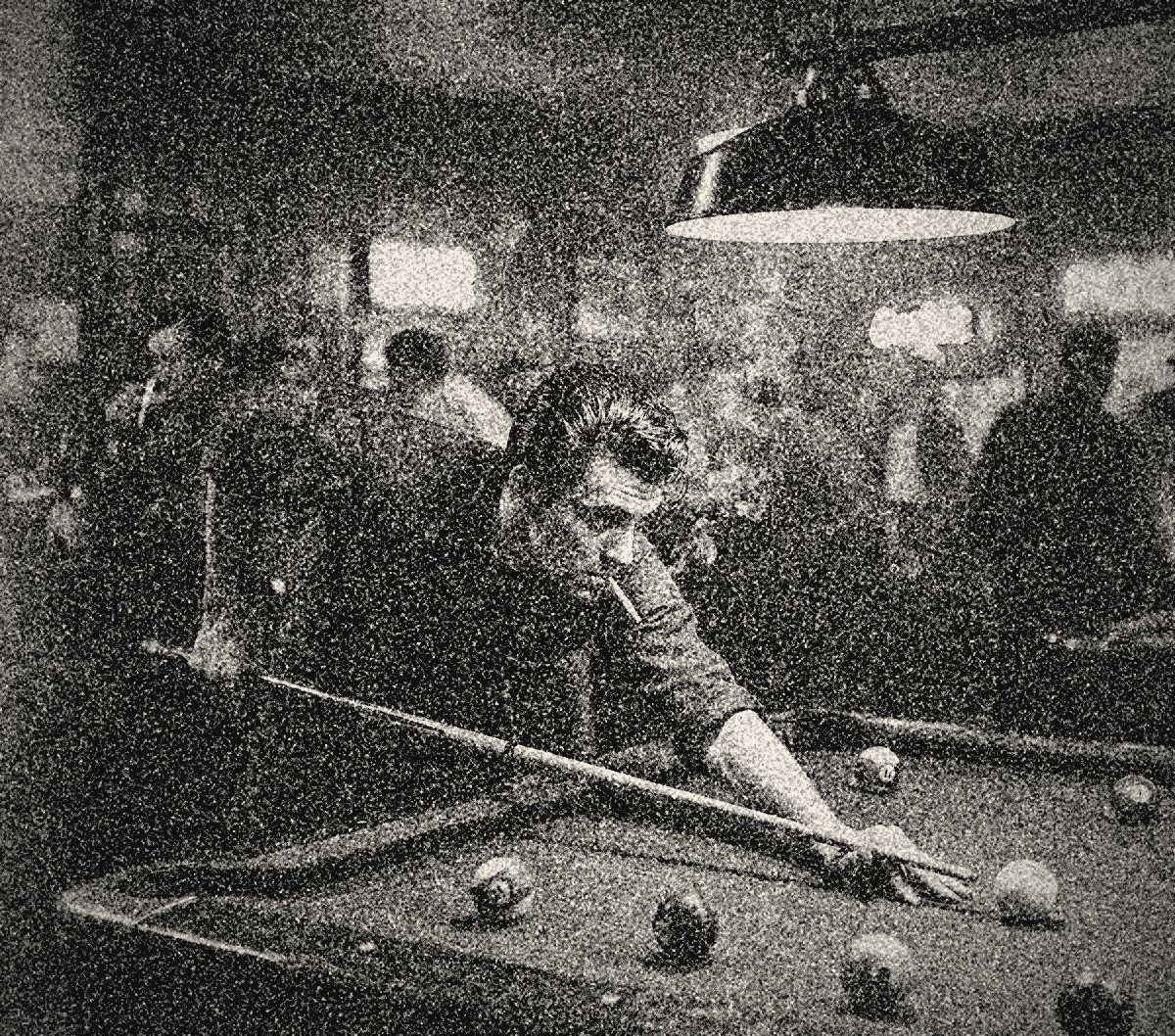
A fellow I'll call Marcus used to come in on Friday nights, a roofer with big hands and a quiet laugh. One night he lost his whole paycheck at a game in the back room of a diner two towns over. He drove to my hall afterward instead of going home, and he stood at my counter looking at the door.
"I'm going back," he said. "I only need to get my own money back. That's not gambling. That's just fixing it."
I knew that sentence. I wrote it myself, many times, in many parking lots.
Here is the trouble with it. The money was already gone. It wasn't waiting for him at that table like a coat left on a chair. Every dollar he carried back in there was a brand new dollar, and the game didn't care one bit about what he thought he was owed. But a man in that spot hears a voice that says the loss isn't real until he quits. So he keeps playing to keep it from becoming true.
He went back. He stopped at the cash machine on the way, and then, I heard later, he stopped at the cash machine again. The first trip lost him a paycheck. The second lost him the rent.
I'm not telling you this to scare you. Marcus is fine now, and he tells this story better than I do. He says the day things turned was the day he let the first loss be a loss. He said it out loud and it hurt, but it hurt once, and then it stopped growing.
If you're standing at the door right now, working out how to get it back, that's the moment to stop and call someone. 1-800-MY-RESET is there any hour of the day.
The money you lost is not waiting for you at the next table.
Sal
Chasing a loss means treating money that is already gone as money you can still recover, and each attempt to win it back only adds to what is lost. The only way to stop the chase is to accept the loss and stop playing, and help is available at 1-800-MY-RESET.