Exact Change
Bernie paid for his table in quarters and dimes for nine years. I took him for a cheapskate.
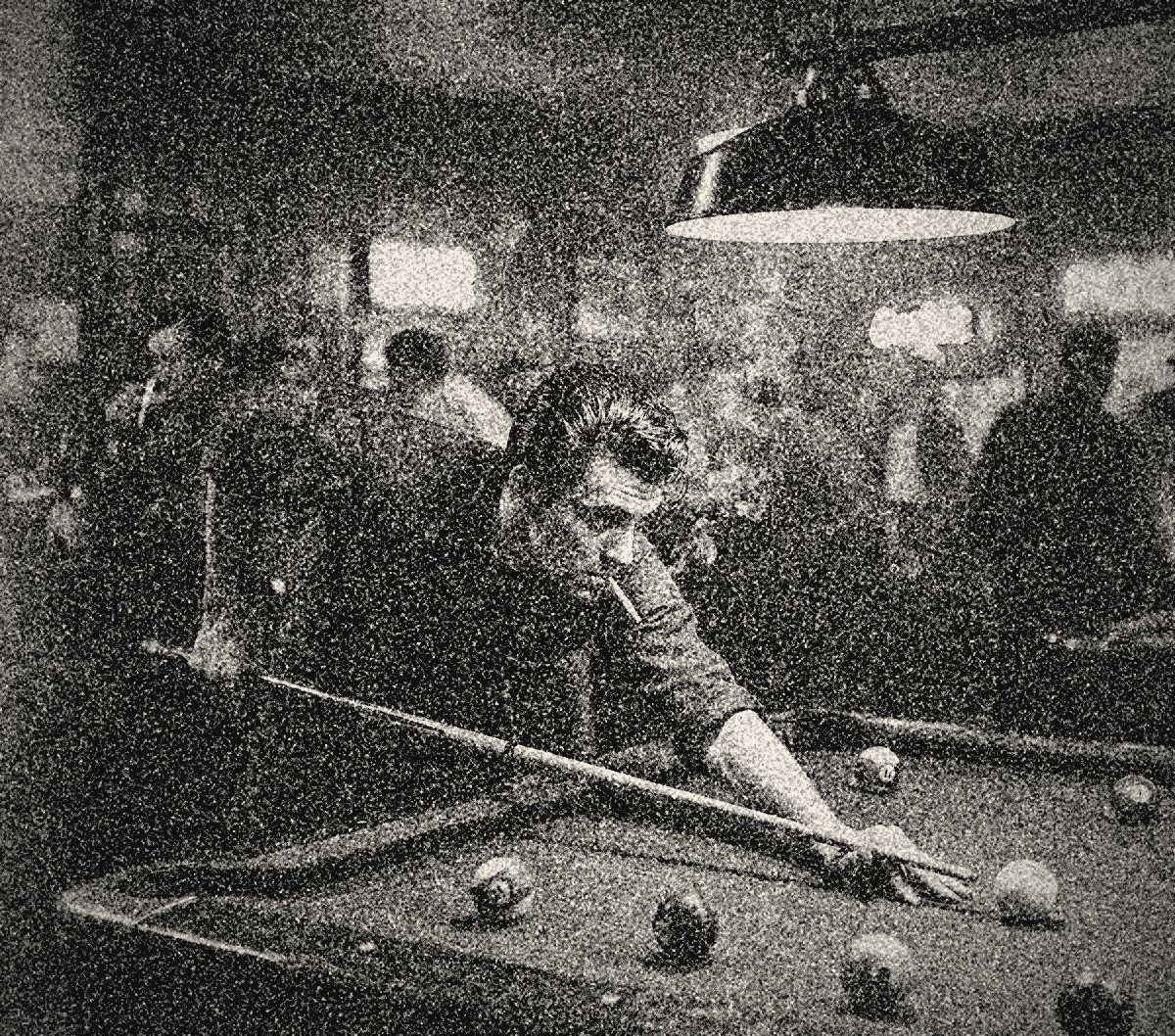
Bernie came in every Wednesday for nine years. Seven o'clock to nine o'clock, table four, by himself. He paid for his table time in exact change, counted out on the counter in quarters and dimes, and he never once asked to run a tab.
He was not a talker. He would nod, rack his own balls, and practice the same long cut shot until it was boring to watch. At nine he put his cue in the rack, said goodnight, and walked out with nothing in his pockets but his keys and a bus pass.
For years I took him for a cheapskate. I said so once, behind his back, which is the cheapest thing a man can do.
Then one Wednesday he came up a dollar short. He stood at the counter looking at the coins like they had betrayed him. I told him to forget it, pay me next week. He shook his head. "Sal, I can't. I don't carry more than I mean to spend, and I don't owe anybody. That's the deal I made."
It came out slowly over the next few months. Bernie had spent the better part of his forties at the dog track. He lost a marriage there, and his brother's trust, and most of a decade. The exact change, the bus pass, the nine o'clock exit, none of it was thrift. It was a fence he had built around himself, one plank at a time, and he checked it every Wednesday.
I had been watching a man win the hardest game in the building, and I had called it cheap.
The quiet ones are often doing the most work. You cannot see the fence from the outside. You only see a fellow who leaves early and counts his coins, and if you are not careful, you make a joke about it.
If you are building a fence of your own, you do not have to build it alone. The National Problem Gambling Helpline is 1-800-MY-RESET.
Respect the man who leaves at nine.
Sal
Many people in recovery from gambling quietly build small personal rules, like carrying only the cash they plan to spend and never running a tab, that protect them from relapse. Those habits can look like stinginess from the outside, but they are often the hardest and most important work a person is doing.