The Ninth Rack
Some nights the table takes your money. The trouble starts when you try to take it back.
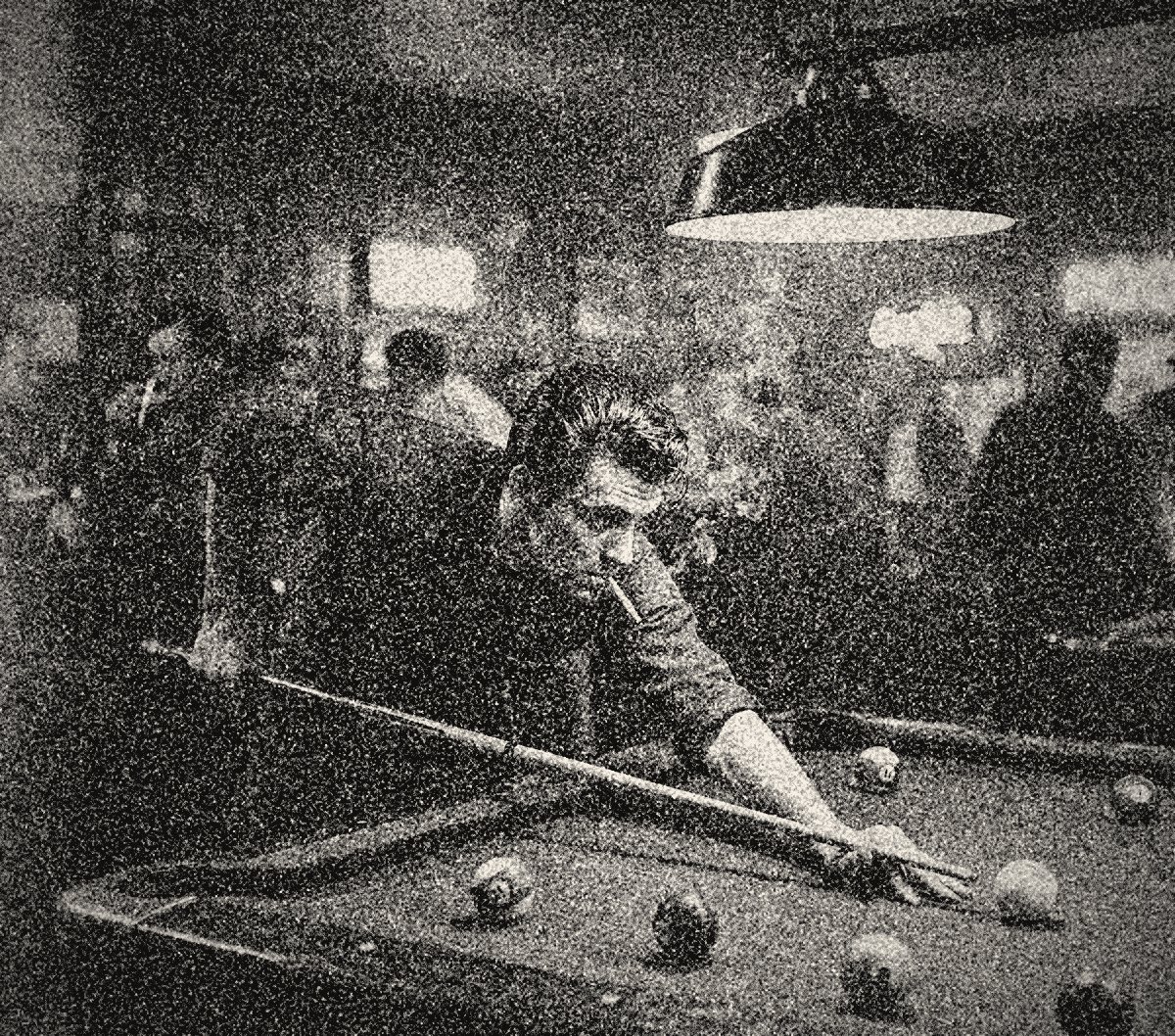
I was twenty six, playing nine ball in a basement room outside Baltimore, and by midnight I was down everything I had driven in with. Gas money, room money, the folded twenty I kept in my shoe for emergencies. And here is the thing I remember most. I was not upset. I was certain. Certain the next rack was the one that turned it around.
That certainty is a liar with a friendly face. I know, because I kept shaking hands with it.
I played eight more racks that night. Lost most of them. The fellow across the table was not better than me, but he was patient, and I was on fire in the worst way. Every ball I missed made the next game more important, and the more important a game gets, the worse you play it. By the ninth rack I was not playing pool anymore. I was digging.
An old timer named Wally finally put his hand flat on the rail and said, son, the money you lost tonight already bought you a lesson. Keep playing and you are just paying for the same lesson twice.
Took me years to really hear that. Chasing is the same animal everywhere it lives. It lived in that basement, and it lives now in a phone, where a fellow can drop Sunday's paycheck and spend Monday tapping a screen trying to pull it back out. The chase always dresses itself up as courage, as confidence, as one more hand and I am whole again. It is none of those things. It is a hole asking for a bigger shovel.
What I tell the regulars here is simple. When you notice you are playing to get back instead of playing to play, that is the whistle. Stand up. The loss stings once. The chase stings all night, and then all week.
And if the chase has got its hooks in deeper than a story can reach, there are people who answer the phone for exactly this. The National Problem Gambling Helpline is there, and 988 if the weight gets heavy. No shame in either. Wally would have called it playing smart position.
Sal
Chasing losses is the attempt to win back money you already lost, and it reliably makes the loss bigger. The signal to stop is noticing you are playing to get even rather than playing at all.